
How to Soften Extremely Dry Hair
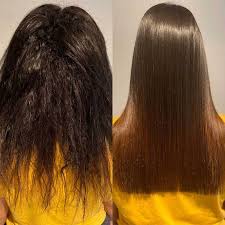
When hair reaches a certain level of dryness, regular conditioner stops making a difference. It feels rough to the touch, tangles constantly, and looks dull no matter what you do. If that sounds familiar, you’re dealing with deeply dehydrated hair, and it needs more than a quick fix.
The good news: even severely dry hair can be brought back. It takes the right products, some changes to your routine, and a bit of patience.
What Makes Hair Extremely Dry
Hair gets its moisture from the sebum your scalp produces and from the water and products you apply. The outer layer of each strand (the cuticle) is supposed to hold that moisture in. When the cuticle is damaged, moisture escapes faster than you can replace it.
Several things cause that damage. Heat styling is one of the biggest. Flat irons, blow dryers, and curling wands at high temperatures crack the cuticle open over time. Chemical processing (coloring, bleaching, relaxing, perming) strips the cuticle and weakens the protein structure underneath. Even overwashing with harsh shampoos can remove the natural oils your hair depends on.
Climate plays a big role in Kuwait. Dry desert air, constant air conditioning, and intense sun exposure all pull moisture out of hair. If you’re splitting time between outdoor heat and indoor cold dry air, your hair is losing moisture from both directions.
Genetics factor in too. Curly and coily hair types are naturally drier because the shape of the strand makes it harder for sebum to travel from root to tip. If your hair is textured, it needs more moisture by default.
Building a Routine That Actually Works
The first change is your shampoo. If it contains sulfates (sodium lauryl sulfate or sodium laureth sulfate), switch to a sulfate-free formula. Sulfates are strong detergents that strip oil aggressively. For extremely dry hair, you may not even need to shampoo every wash. Try co-washing (using conditioner only) between shampoo days to keep some of that natural oil intact.
Conditioner should be heavy and left on for at least three to five minutes, not rinsed out immediately. Apply it from the ears down, concentrating on the ends. For extra-dry hair, a deep conditioning mask once a week makes a noticeable difference. Look for masks with shea butter, avocado oil, or honey, all of which attract and hold moisture.
After washing, apply a leave-in conditioner or hair oil to damp (not dry) hair. This is the step most people skip, and it’s the one that matters most. Damp hair is open and absorbent. Sealing it with a leave-in product while it’s still wet locks moisture inside the shaft before it evaporates.
Argan oil, jojoba oil, and marula oil are all good options. A few drops worked through the mid-lengths and ends is enough. Avoid applying oil to the scalp unless it’s also dry.
What to Avoid
Cut back on heat. If you can air-dry your hair, do it. If you need to blow-dry, use the cool or low-heat setting and keep the dryer moving rather than focusing on one section. Flat ironing should be kept to a minimum while you’re restoring moisture, and always with a heat protectant.
Avoid products with high alcohol content (look for “alcohol denat” or “isopropyl alcohol” on labels). These evaporate fast and take moisture with them. Lightweight sprays and gels often contain these drying alcohols.
Don’t brush dry hair aggressively. Use a wide-tooth comb on damp, conditioned hair and work from the ends up. Brushing dry, brittle hair from root to tip causes breakage.
Professional Treatments That Help
At DASHE Beauty, we offer deep hydration treatments that go further than what home products can achieve. Professional-grade masks and steam treatments open the cuticle gently and allow moisture to penetrate deeper into the cortex of the hair. One session can make a dramatic difference in how hair feels and moves.
For hair that’s both dry and damaged (rough texture, split ends, breakage), we may recommend a combination of hydration and a light protein treatment to rebuild some of the lost structure. The key is getting the balance right. Too much protein without moisture makes hair stiff. Moisture without any protein support leaves hair limp and fragile.
We’ll also look at your scalp health. A dry, flaky scalp often contributes to dry hair because the follicles aren’t producing enough natural oil. Scalp treatments that exfoliate and stimulate circulation can help restore that oil production over time.
How Long Recovery Takes
Mild dryness can improve within a week or two of consistent moisturizing. Severe dryness from years of heat damage or chemical processing takes longer, usually four to six weeks of dedicated care before hair starts to feel genuinely soft and flexible again.
The ends are always the last to recover because they’re the oldest part of your hair and have taken the most damage. In some cases, trimming off the driest ends and focusing on keeping new growth healthy is the most effective approach.
If your hair feels like it’s not responding to anything you’ve tried at home, that’s a good time to book a consultation at DASHE Beauty. We’ll assess the damage level, recommend the right treatment, and help you build a routine that keeps your hair soft going forward.
Shop related products: Studio Dry Grey Hair Turban Towel, Hair by Sam McKnight Lazy Girl Dry Shampoo Mini
Related: Best Shampoo for Very Dry Hair, Hair extension salon in kuwait. Explore our services: Hair Coloring.
