
Hair Dryness After Protein Treatment: Causes and Fixes
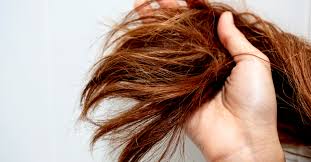
You booked a protein treatment expecting smoother, stronger hair. Instead, your hair feels stiff, straw-like, and drier than before. This is more common than you’d think, and it doesn’t mean the treatment failed. It usually means the protein-moisture balance tipped too far in one direction.
Here’s what’s happening and how to fix it.
Why Protein Treatments Can Leave Hair Dry
Protein treatments work by filling in weak spots along the hair shaft. When hair is damaged (from heat, color, or chemical processing), the natural keratin structure breaks down. Protein treatments patch those gaps, which makes hair feel stronger and look smoother.
The problem comes when hair gets more protein than it needs. Protein makes hair stronger, but it also makes it harder. Without enough moisture to balance it out, hair loses its flexibility. It stops bending and starts snapping. That dry, crunchy feeling after a protein treatment is a sign of protein overload.
This is especially common if your hair wasn’t severely damaged to begin with. Mildly damaged or healthy hair doesn’t have many gaps to fill, so the extra protein sits on top of the shaft and creates a rigid coating. Hair that was already quite porous (from bleaching, for example) can also absorb too much protein too quickly, with the same result.
Signs of Protein Overload
Hair that’s had too much protein typically feels hard and brittle rather than soft and bouncy. It may tangle more easily and feel rough when you run your fingers through it. Strands might snap with very little tension. You may also notice that your hair looks dull and flat, without its usual movement.
The key difference between protein overload and simple dryness: dry hair feels limp and soft but frizzy. Protein-overloaded hair feels stiff and hard. If your hair could stand up on its own, that’s protein overload.
How to Restore the Balance
The fix is straightforward: you need to reintroduce moisture. Stop all protein-based products temporarily and switch to a moisture-focused routine.
Start with a deep conditioning treatment that’s protein-free. Look for ingredients like shea butter, glycerin, aloe vera, and natural oils (argan, jojoba, or coconut). Apply generously, cover with a shower cap, and leave it on for 20 to 30 minutes before rinsing. You can do this once or twice a week until the stiffness resolves.
A leave-in conditioner applied to damp hair after every wash helps too. Focus on the mid-lengths and ends where the protein buildup tends to be heaviest.
Avoid heat styling while your hair is recovering. The combination of protein overload and high heat makes breakage worse. If you must style, use the lowest temperature setting and a heat protectant.
In most cases, hair starts to feel softer within two to three moisture-focused washes. If it’s still stiff after a week of consistent conditioning, a salon treatment can speed things up.
What We Do at DASHE
At DASHE Beauty, we always assess hair condition before recommending any protein treatment. That assessment helps us determine whether your hair actually needs protein, how much, and what type. This step prevents overload in the first place.
If you come to us after a protein treatment that left your hair feeling off, we’ll start with a hydrating treatment designed to soften and restore elasticity. Our deep conditioning treatments use professional-grade formulas that penetrate more effectively than what’s available over the counter. One session is usually enough to reverse mild to moderate protein overload.
For more severe cases (especially after at-home keratin treatments or multiple rounds of salon protein services), we may recommend a series of moisture treatments spaced a week apart. We’ll also help you build a home care routine that keeps the protein-moisture balance where it should be going forward.
Preventing It Next Time
The best way to avoid post-treatment dryness is to make sure the treatment matches your hair’s actual needs. Not every type of damage calls for protein. Sometimes what hair needs is just moisture, and adding protein on top of that makes things worse.
A simple test: take a strand of wet hair and stretch it gently. If it stretches and bounces back, your protein levels are fine and you probably just need hydration. If it stretches and doesn’t bounce back (or breaks immediately), that’s when protein can help.
After any protein treatment, always follow up with a moisturizing conditioner. Think of protein as the structure and moisture as the flexibility. You need both working together.
If you’re unsure what your hair needs right now, book a consultation at DASHE Beauty. We’ll tell you exactly where things stand and recommend only what will actually help.
Shop related products: SOME BY MI CICA Peptide Anti Hair Loss Derma Scalp Treatm…
Related: Hair Loss, Dryness, and Breakage: What Actually Helps, Frizz in Fine Hair: Causes and Fixes. Explore our services: Hair Coloring.
Our services: Hair Services
